

Category HAGERS
HAGERS Time Switches
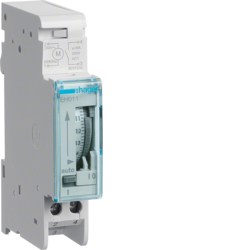
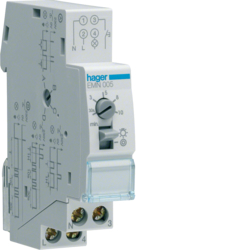
HAGERS Time Switches are electronic devices that automate turning electrical appliances or lights on and off at specific times. They offer:
- Programmable scheduling: Set precise times for connected devices to switch on/off, saving energy and enhancing security.
- Variety of options: Available in digital and analog versions, catering to diverse needs and preferences.
- Simplified control: Automate daily routines and enhance convenience for various applications.
Description
HAGERS offers a variety of time switches catering to diverse needs in building automation and electrical control. Here’s a general overview of their time switches:
Types:
- Electromechanical Time Switches: These offer a basic and cost-effective solution for simple on/off scheduling tasks. They typically feature a dial or buttons for manual programming and limited functionality.
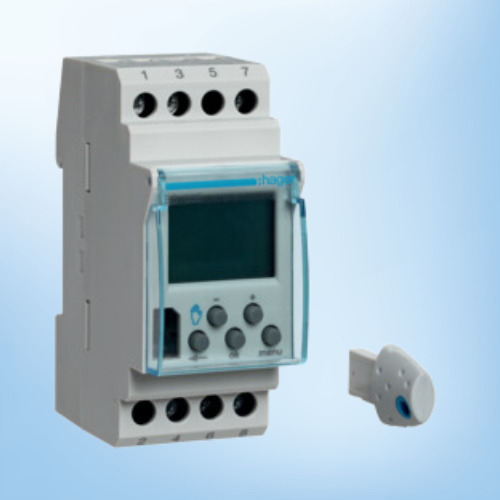
- Digital Time Switches: These provide more advanced features and functionalities compared to electromechanical models. They often come with digital displays, intuitive interfaces, and expanded programming options like:
- Daily: Setting specific on/off times for each day of the week.
- Weekly: Creating recurring schedules for the entire week.
- Astronomical: Automatically adjusting on/off times based on sunrise and sunset timings throughout the year.
Key Features:
- Number of Channels: HAGERS time switches offer various options with one or more channels, allowing you to independently control separate circuits or devices with each channel.
- Programming Flexibility: The level of programming complexity varies depending on the model, ranging from basic on/off settings to intricate schedules with multiple events per day.
- App Control (Optional): Certain HAGERS time switches can be programmed and controlled remotely using their dedicated smartphone app, offering greater convenience and flexibility.
- DIN Rail Mounting: Most HAGERS time switches are designed for easy installation in standard distribution boards using a DIN rail mounting mechanism.
Related Products
Categories: HAGERS
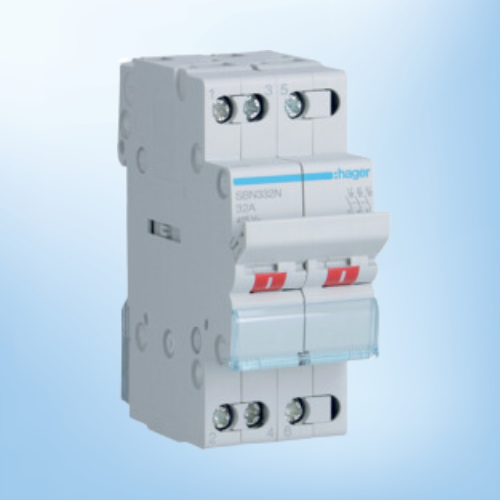
HAGERS Isolating Switches
HAGERS Isolating Switches, also known as disconnectors or isolators, are electrical devices designed to completely disconnect a circuit from the power source. They are not intended for regular on/off switching and are primarily used for:
- Maintenance and isolation: Isolating portions of a circuit for safe maintenance or repair work.
- Safety: Providing a visible and physical disconnect point for emergency situations or equipment de-energization.
- Metering: Allowing for safe meter removal or access for reading purposes.
Categories: HAGERS
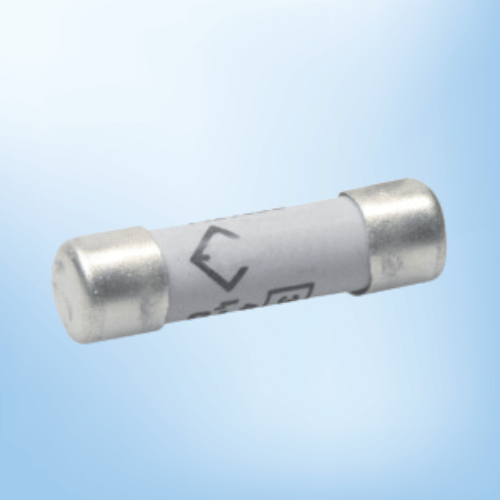
HAGERS Cartridge Fuse
A HAGERS Cartridge Fuse is a replaceable safety device used in electrical circuits to protect equipment from overloads and short circuits. They are contained within a cylindrical or rectangular cartridge made of insulating material and contain a fusible element that melts or vaporizes when excessive current flows through it.
Related Products
Categories: HAGERS
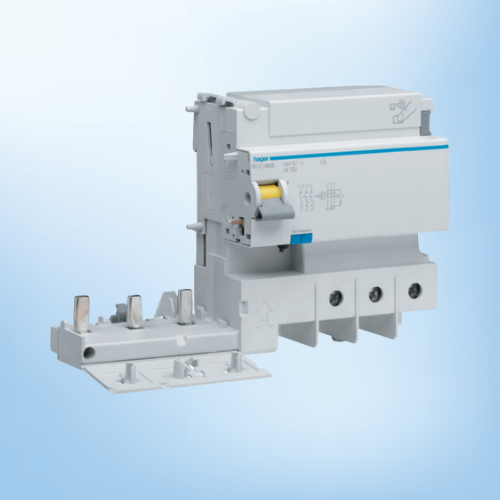
HAGERS Residual Current Circuit Breaker
HAGERS Residual Current Circuit Breakers (RCCBs), also known as earth leakage circuit breakers, are safety devices designed to quickly disconnect an electrical circuit in the event of a current leakage to earth. This helps to prevent electric shock and potential fires.
Categories: HAGERS
HAGERS Cartridge Fuse
A HAGERS Cartridge Fuse is a replaceable safety device used in electrical circuits to protect equipment from overloads and short circuits. They are contained within a cylindrical or rectangular cartridge made of insulating material and contain a fusible element that melts or vaporizes when excessive current flows through it.
Categories: HAGERS
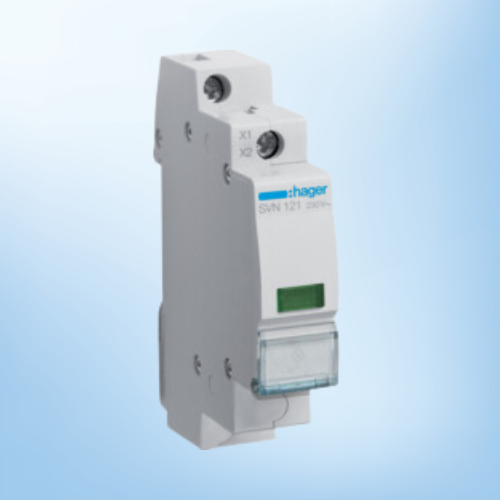
HAGERS Indicating Lights
HAGERS Indicating Lights are visual signaling devices designed to provide information about the status of an electrical circuit or system. They offer a quick and easy way to:
- Monitor the operational state: Indicate whether a circuit is energized (on) or de-energized (off).
- Identify potential problems: Signal potential issues within a system, such as faults or overloads.
- Enhance safety: Provide a visual confirmation of system status, aiding in safe operation and maintenance procedures.